
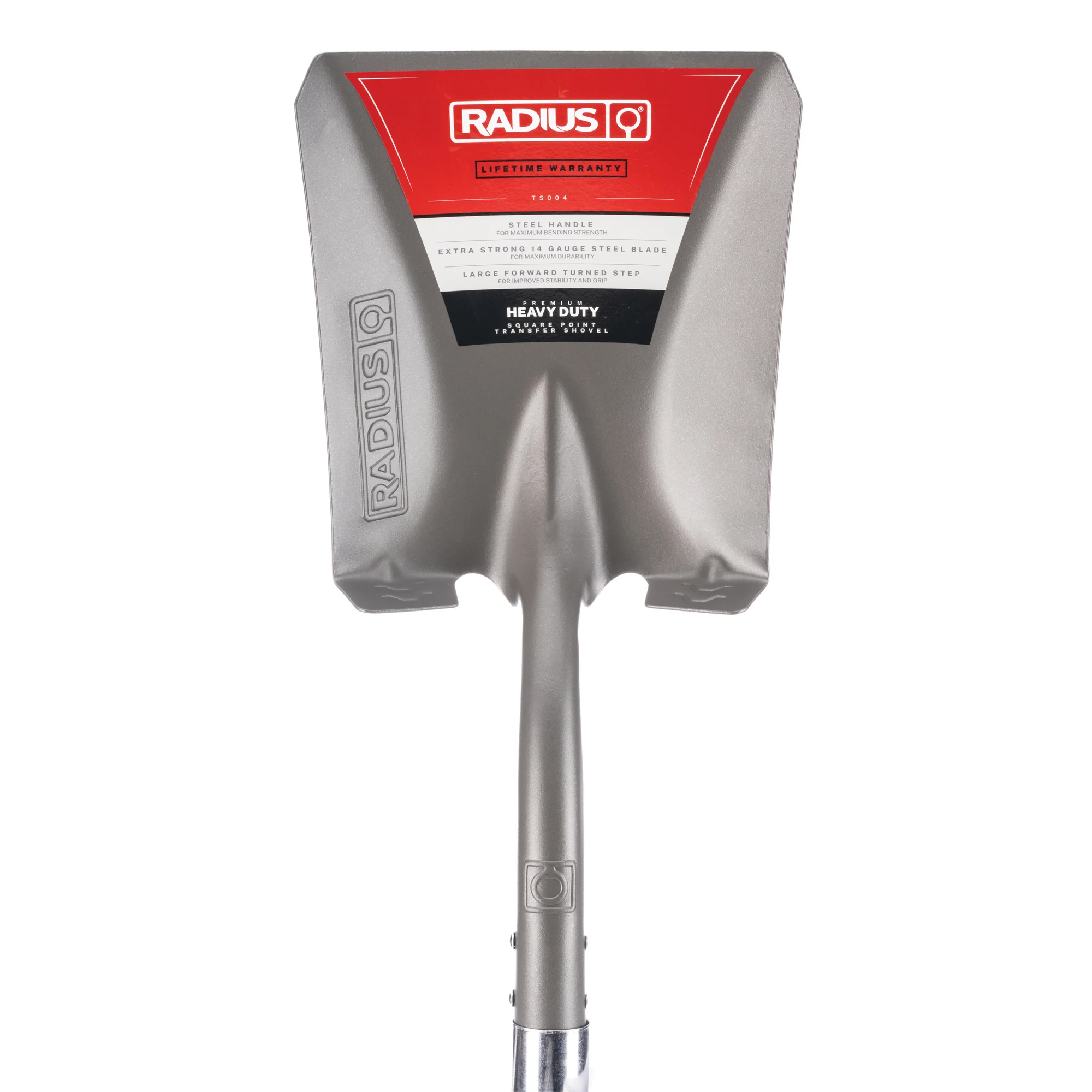
A transfer shovel is one of those tools that does not always get the spotlight, but once you need one, nothing else feels quite right. Unlike a pointed digging shovel, a transfer shovel usually has a flatter, more squared blade designed for scooping, lifting, spreading, and moving loose material. If you are working with dirt, gravel, mulch, sand, compost, rock, debris, or landscaping material, the right transfer shovel can save time, reduce strain, and make cleanup much easier.
A transfer shovel is especially useful when the material is already loose or partially broken up. Think of it as the tool for moving material from one place to another: from a pile into a wheelbarrow, from a truck bed to the ground, from a garden bed to a tarp, or from a work area to a cleanup pile. Home Depot describes square point transfer shovels as suitable for moving materials such as dirt, mulch, gravel, soil, sand, and rock, which is exactly the kind of work these tools are built for.
Common Uses for a Transfer Shovel
The most obvious use for a square transfer shovel is moving loose material. The square blade gives you more surface area than a pointed shovel, which helps when scooping from piles or scraping flat surfaces.
Transfer shovels are commonly used for:
- Moving gravel, sand, mulch, compost, and loose soil
- Cleaning up job sites, barns, sheds, trailers, and garden beds
- Loading and unloading wheelbarrows
- Spreading material evenly across a surface
- Scraping loose debris from concrete, gravel pads, or hard-packed ground
- Transferring material from piles, bags, trucks, or bins
A pointed digging shovel is better when you need to pierce hard ground. A transfer shovel is better when the goal is to scoop, lift, carry, and spread.
Long Handle vs. Short Handle
One of the first choices is handle length.
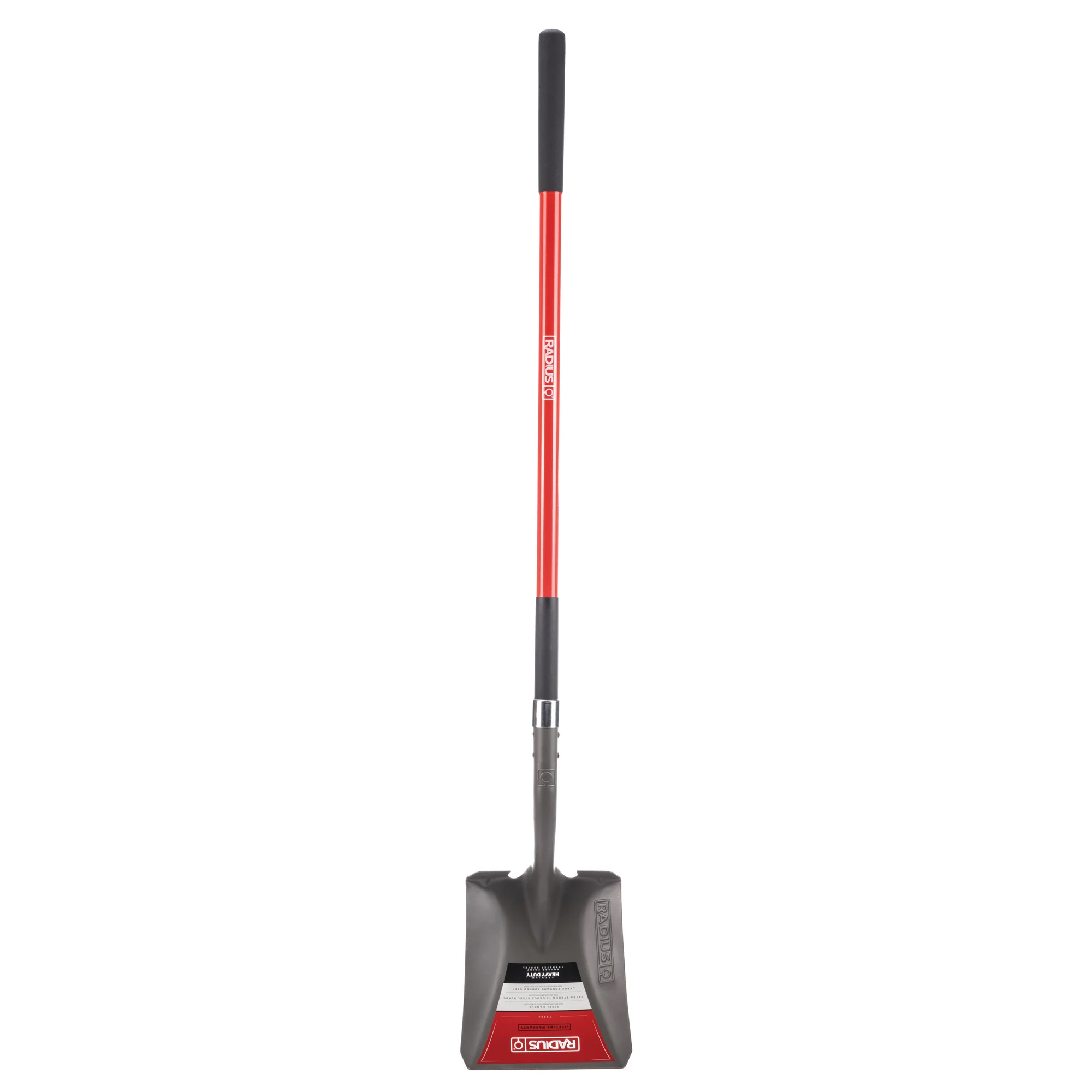
A long handle transfer shovel gives you better reach and leverage. It is usually the better choice for standing work, moving larger piles, or loading a wheelbarrow without bending as much. Long handles are popular for landscaping, construction, farm, and cleanup work because they allow a more natural standing posture.
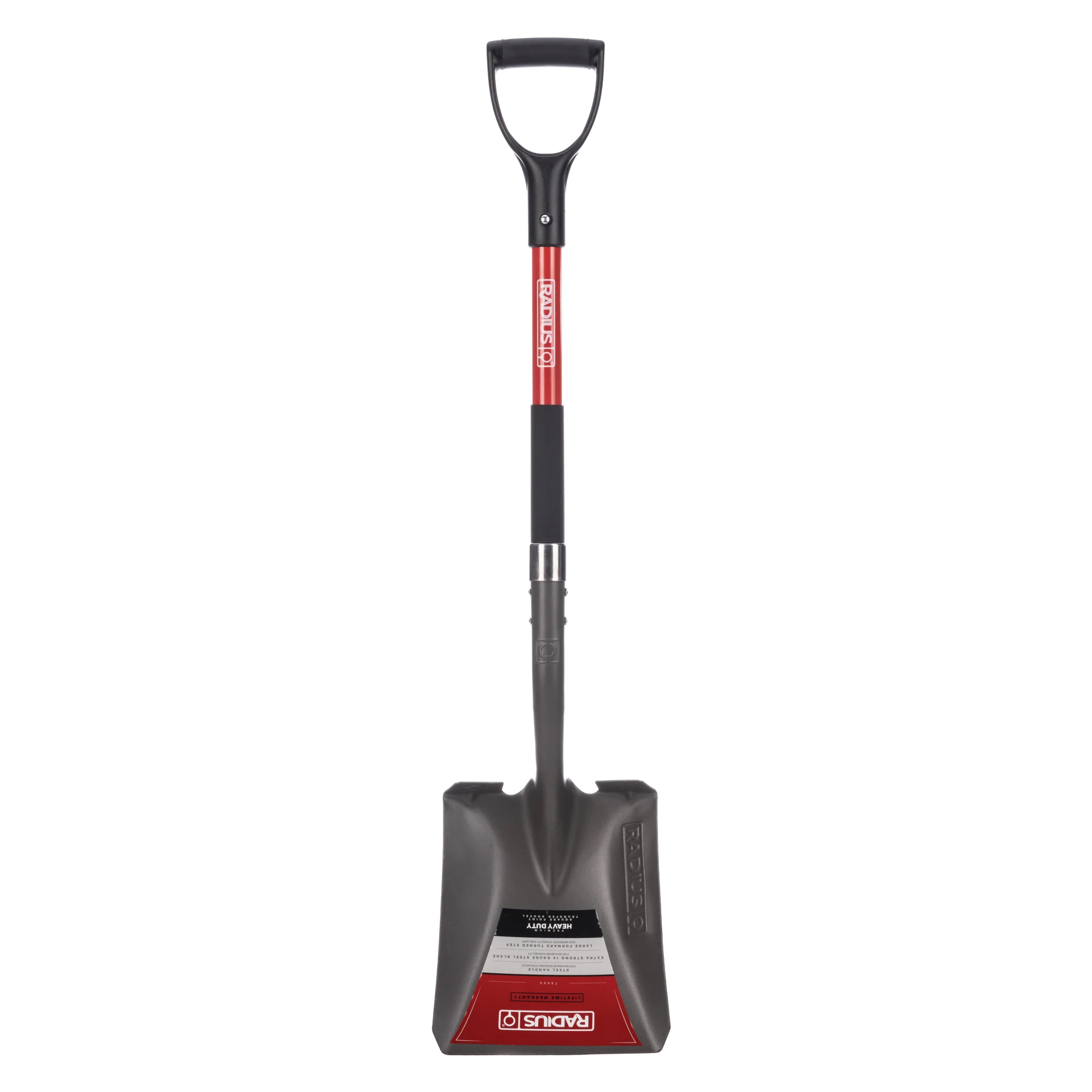
A short handle transfer shovel, especially one with a D-grip, gives you more control in tight spaces. It can be easier to use inside trailers, garden beds, barns, crawl spaces, or anywhere a long handle feels awkward. Short handles are also useful when you need to lift heavier loads carefully instead of throwing material a longer distance.
Simple rule: choose a long handle for reach and repetitive moving; choose a short D-handle for control and tight spaces.
Wood vs. Steel vs. Fiberglass Handles
Handle material matters more than many buyers realize.
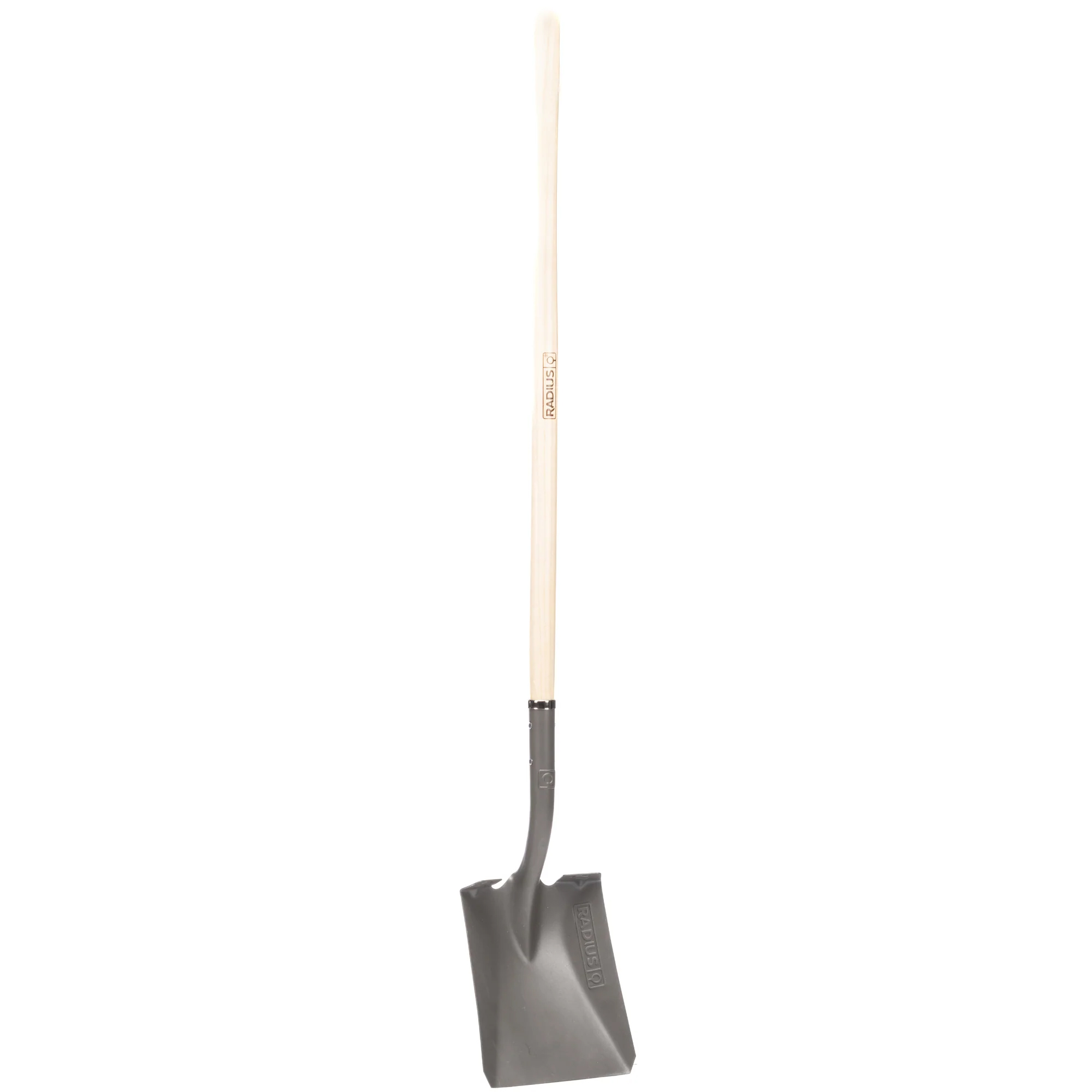
A wood handle has a traditional feel and can be comfortable in the hands. Wood absorbs some vibration and is often preferred by people who like a classic, natural grip. It can eventually crack, dry out, or splinter if neglected, but a good hardwood handle still has a loyal following.
A fiberglass handle is popular because it resists weather, moisture, and cracking better than wood. Fiberglass is often a good middle ground: strong, relatively lightweight, and durable for repeated outdoor use.
A steel transfer shovel handle can feel extremely strong and jobsite-ready. Steel is a good choice when toughness is the priority, though it may be heavier than wood or fiberglass. For crews, contractors, ranches, and anyone rough on tools, steel can be worth the extra weight.
D-Handle vs. Long Handle
A D-handle is not just about comfort. It changes how the shovel works.
A D-handle transfer shovel gives you a firm grip at the end of the handle, which helps when lifting, dumping, and controlling heavier loads. This is especially useful for gravel, wet soil, rock, and debris.
A long straight handle gives you more reach and can be better for repetitive scooping and spreading. If you are moving mulch across a bed or gravel across a driveway, a long handle may feel faster and less cramped.
For heavy lifting and close control, choose a D-handle. For reach, speed, and less bending, choose a long handle.
Steel vs. Aluminum Blades
Most heavy-duty transfer shovels use steel blades. A steel transfer shovel is usually the best choice for gravel, soil, rock, construction debris, and heavier outdoor work. Steel holds up well when scraping, scooping, and pushing into dense material.
Aluminum blades are lighter and can be useful for lighter materials such as grain, snow, dry mulch, or loose bedding. However, aluminum is generally not the first choice for hard scraping, rock, or heavy jobsite abuse.
For most landscaping, construction, fencing, ranch, and garden cleanup work, steel is usually the safer bet.
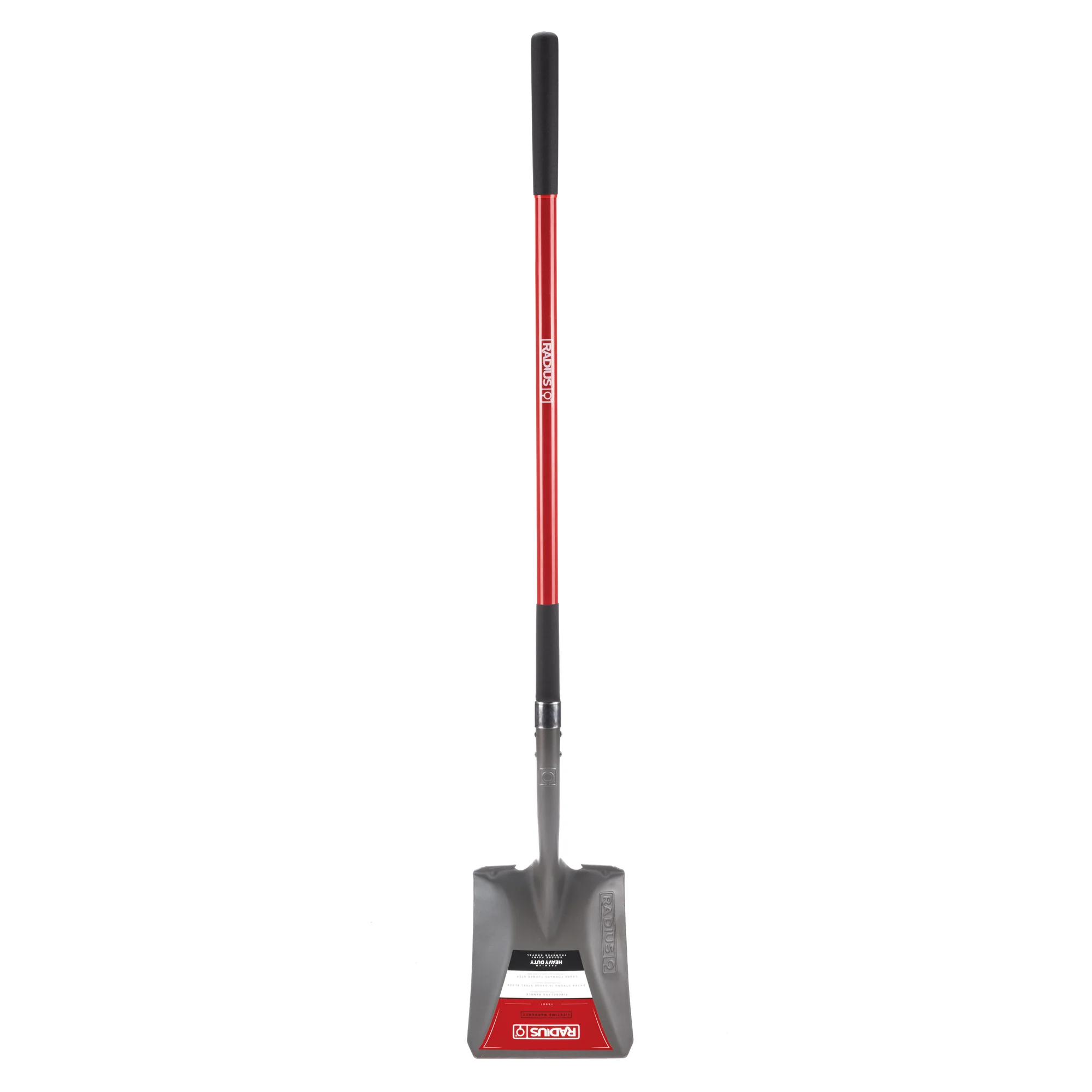
Blade Size and Shape
Blade size affects how much material you move per scoop. A larger blade can move more volume, but it can also become heavy fast. Wet soil, gravel, and rock add weight quickly. A smaller blade may seem less impressive, but it can be easier to control and less tiring over a long job.
The classic square transfer shovel blade is useful because the flat front edge can scrape along surfaces and scoop from piles efficiently. If your work involves loose material, spreading, and cleanup, this square blade shape is usually exactly what you want.
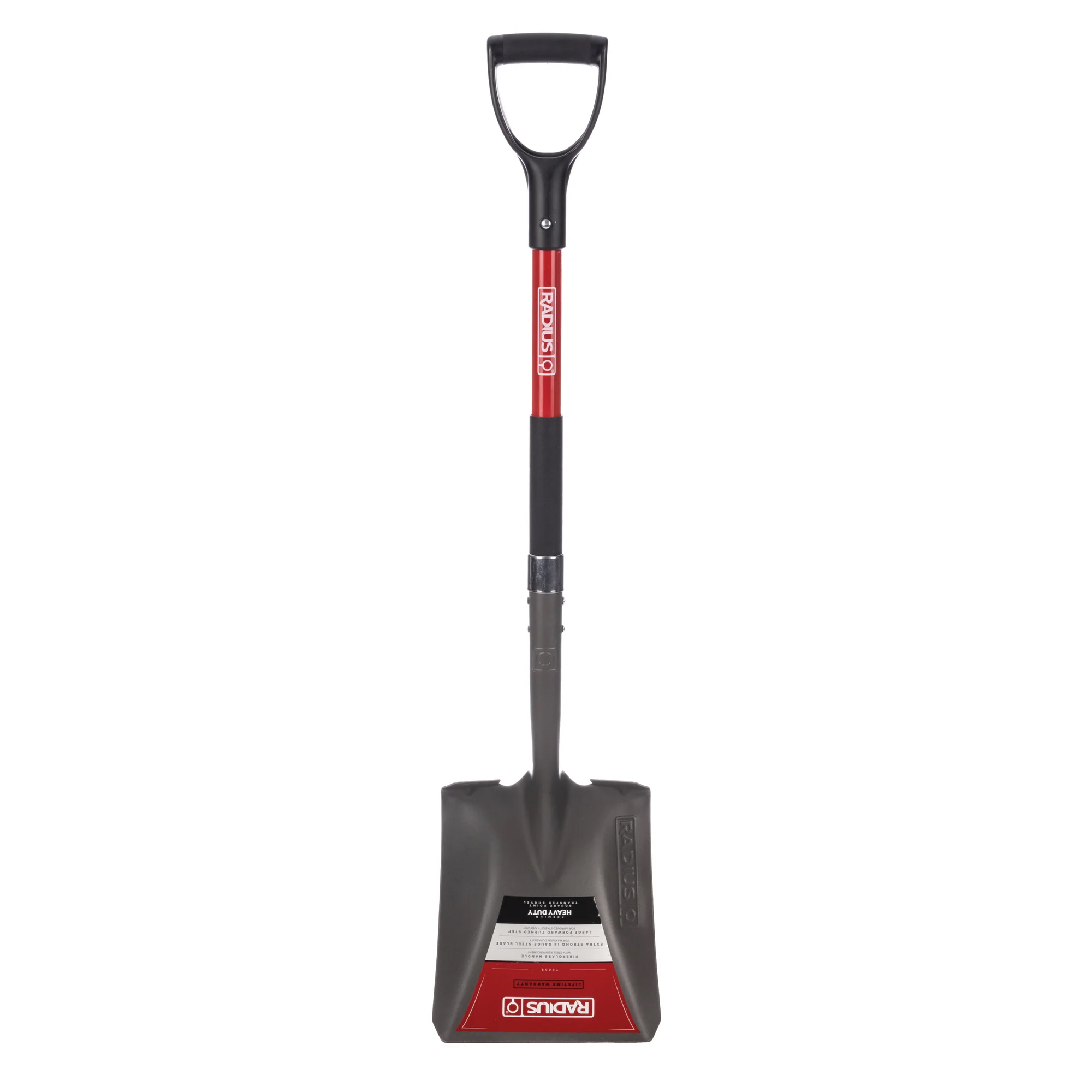
Foot Step, Foot Pad, or Turned Step
The flat area at the top of the blade where you place your boot is commonly called a step, foot step, or comfort step. This feature gives your foot a safer, more comfortable place to push the blade forward or downward.
On a transfer shovel, the step is especially helpful when scraping compacted material, pushing into a pile, or working with heavier loads. Some shovels have a wider or rolled step for better boot comfort. Home Depot listings for square point and digging shovels often call out foot steps or comfort steps as features for control, secure foot placement, or comfort.
Choosing the Best Transfer Shovel
The best transfer shovel depends on the job. For heavy materials like gravel, rock, and wet soil, look for a steel blade, strong socket connection, and a handle material that matches your work style. For tight spaces, consider a D-handle. For larger areas and repeated scooping, a long handle may be more comfortable.
If you are comparing options like a standard square shovel, a heavy-duty steel transfer shovel, or an Anvil transfer shovel, focus less on the name and more on the combination of blade strength, handle type, grip comfort, blade size, and foot step design.
A good transfer shovel should feel balanced, durable, and appropriate for the material you move most often. When chosen well, it becomes one of the most useful tools in the shed, truck, barn, garden, or job trailer.
If you’re searching for: true temper transfer shovel, razorback transfer shovel, lowes transfer shovel, kobalt steel transfer shovel, fiskars transfer shovel, ames transfer shovel, kobalt transfer shovel, dewalt transfer shovel, husky transfer shovel
…consider upgrading quality without sacrificing price with our top-brand Transfer Shovel selection.